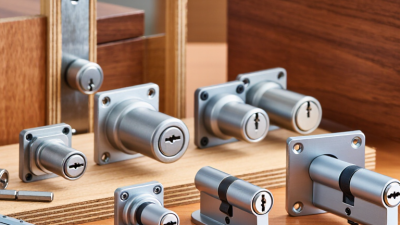
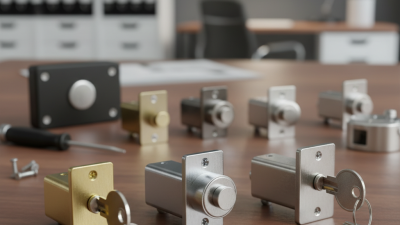
Choosing the right drawer lock can feel simple until the drawer holds sensitive documents, jewelry, tools, or workplace records. Drawer Locks With Key come in several designs, and each one serves a different security and installation need. Cam locks are common in office cabinets and wooden furniture. Tubular locks offer a compact profile and a distinctive key shape. Pin tumbler locks can provide more key variation, while wafer locks are often practical for light-duty drawers.
Small details matter. The drawer material, front thickness, available clearance, and locking direction all affect performance. A lock that fits a metal filing cabinet may not suit a thin wooden drawer. In practical installations, measuring the cylinder length and checking the strike position can prevent frustrating adjustments. Fit comes first. A strong lock cannot compensate for a weak drawer front or a poorly aligned latch.
This guide examines the top types of drawer locks with keys, their construction, typical uses, and installation considerations. It also compares convenience, resistance to casual tampering, key management, and long-term durability. No single design is ideal for every cabinet. That point is easy to overlook. Reliable selection requires balancing security with daily access, maintenance, and the user’s actual environment. Based on common hardware practices, the most dependable choice is usually the one that matches the drawer’s structure rather than the lock’s appearance alone. Mistakes still happen, especially when measurements are rushed, so careful inspection remains essential.
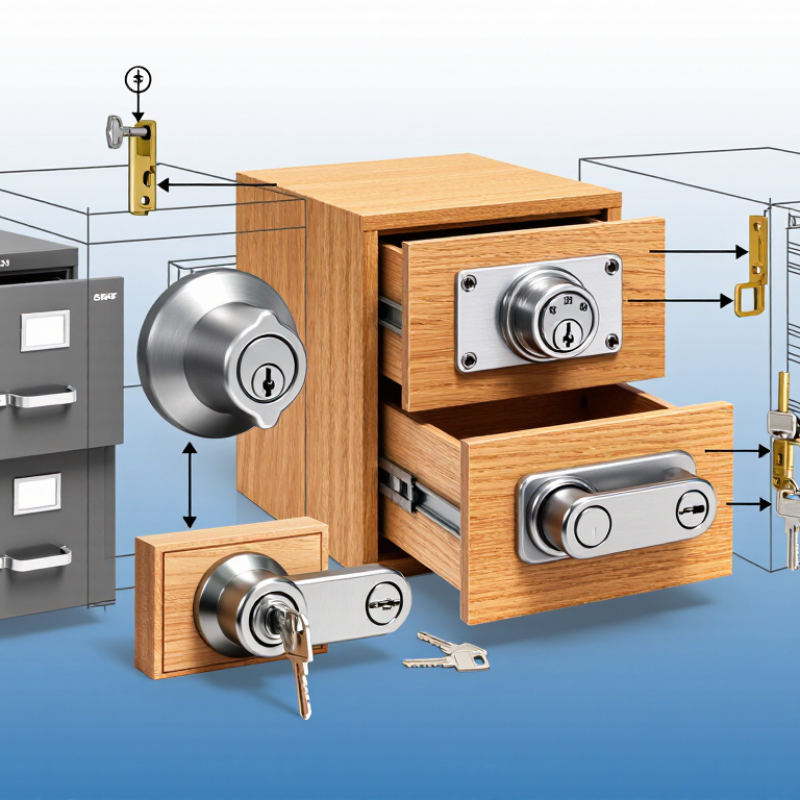
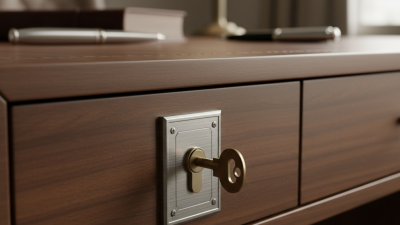
Drawer locks are compact security devices fitted to cabinets, desks, tool drawers, and storage units. They prevent unauthorized opening by holding the drawer front against its frame. Most keyed models use a lock cylinder, a key, and a metal cam or bolt. The key moves internal pins or wafers into the correct position. This allows the cylinder to rotate. A quarter-turn usually moves the cam behind the cabinet frame. The drawer stays closed.
The most common type is the keyed cam lock. It is simple, affordable, and suitable for many wooden or metal drawers. A plunger lock pushes into a strike hole and may offer a cleaner appearance. Cylinder locks provide stronger resistance when the drawer needs more protection. Some locks use tubular keys, which can be harder to duplicate casually. Each design has limits. A strong cylinder cannot fix a weak drawer panel.
During installation, accurate measurements matter. Check the panel thickness, lock body length, cam direction, and available clearance behind the drawer. A loose cam can rattle, while an oversized lock may stop the drawer from closing. I also test the key from several angles before tightening the mounting nut. It feels simple. Small alignment errors still cause sticking. Dust, paint, and bent metal can affect the mechanism over time, so occasional cleaning and gentle lubrication help maintain smooth operation.
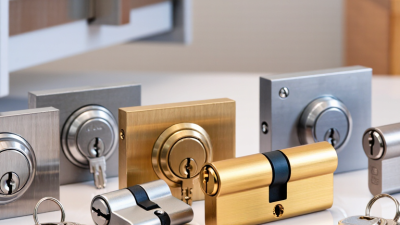
What Are the Main Types of Drawer Locks With Keys?
Drawer locks with keys use different mechanisms, materials, and installation styles. Cam locks are common for desks, cabinets, and small storage units. When the key turns, a metal cam rotates behind the drawer frame. This simple action keeps the drawer closed.
Pin tumbler locks offer stronger resistance than basic cam designs. Small pins must align before the cylinder can turn. Wafer tumbler locks use flat metal wafers and usually provide smooth operation. They suit office furniture and light-duty cabinets. Tubular locks have a round key and a compact body. They are useful when the drawer front has limited space, but replacement keys may be less convenient. Some locks use a push-to-lock feature, while others require the key for both locking and opening.
Tips: Match the lock body to the drawer thickness before drilling. Measure twice. Check the cam’s length and turning direction. A loose lock can damage soft wood over time, so use a washer when needed. For valuable documents, choose a lock with a robust cylinder and a reinforced mounting area. Key control also matters; store spare keys separately and label them carefully. In my experience, many installation problems come from choosing a lock by appearance alone. The finish may look right, yet the cam may not reach the frame. Testing the key movement before final tightening is a small step, but it prevents frustrating adjustments later.
Cam, cylinder, tubular, and push locks serve different drawer needs. A cam lock uses a short metal arm that rotates behind the drawer frame. It is compact, affordable, and easy to replace. It suits office drawers, tool cabinets, and wooden storage units. The cam length matters. A poorly sized cam may not grip the frame securely.
A cylinder lock places the locking mechanism inside a round housing. Its key usually turns a plug, which moves a latch or cam. This design feels solid and often supports keyed-alike systems for several drawers. Tubular locks use a circular key with cutouts around its tip. They fit neatly into narrow panels and provide smooth operation. However, their real security depends on construction quality, installation, and key control. A push lock works differently. Pressing the face locks the drawer, while a key releases it. It is convenient for frequent access, though accidental pressure can lock the drawer unexpectedly.
Tips: Measure the panel thickness, backset, and cam clearance before purchasing. Test the key while the drawer is open. Check whether the lock needs a flat, offset, or hook cam. Stainless or plated components usually handle repeated use better, but appearance can hide weak internal parts. I have found that a tighter fit does not always mean better security. Alignment matters more than many buyers expect. A drawer that sags can strain any lock.
| Lock Type | How It Works | Typical Key or Actuator | Typical Installation | Security Level | Best Use Cases | Main Advantages | Common Limitations |
|---|---|---|---|---|---|---|---|
| Cam Lock | Turning the key rotates a flat metal cam behind the drawer frame, securing or releasing the drawer. | Flat key; some models use interchangeable cams or keyed-alike cylinders. | Usually installed through a round hole drilled in the drawer front or cabinet panel. | Basic to moderate | Office drawers, filing cabinets, mailboxes, display cases, and light-duty storage. | Simple design, compact size, low cost, and easy replacement. | The exposed cam and small cylinder may offer less resistance to forced entry than higher-security designs. |
| Cylinder Lock | A pin, wafer, or disc mechanism inside the cylinder recognizes the correct key and moves a locking bolt or cam. | A conventional flat key with a cut or formed profile. | Mounted through the drawer front or cabinet wall; the cylinder may operate a bolt directly or connect to a cam. | Moderate to high, depending on cylinder construction | Secure office storage, equipment cabinets, tool drawers, and furniture requiring controlled key access. | Offers a wide range of keying options, replacement cylinders, and security configurations. | May require accurate drilling, correct cylinder length, and sufficient clearance behind the drawer front. |
| Tubular Lock | A tubular key aligns multiple pins arranged around a circular keyway before the plug can turn. | Round, hollow-ended tubular key. | Installed through a circular opening in the drawer or cabinet panel, usually with a retaining nut or mounting hardware. | Moderate; actual protection varies by pin design and housing strength | Vending equipment, coin-operated cabinets, compact storage units, and applications needing a distinctive key format. | Compact profile, restricted-looking keyway, and convenient operation where space is limited. | Replacement keys can be less convenient to obtain, and the lock is not automatically high-security merely because the key is tubular. |
| Push Lock | Pressing the lock body engages a spring-loaded bolt; turning the key releases or resets the mechanism. | Usually a flat key; the front button acts as the locking actuator. | Typically fitted through a round hole, with the bolt extending into a strike plate or cabinet frame. | Basic to moderate | Desk drawers, cabinets, storage boxes, and situations requiring quick push-to-lock operation. | Fast one-handed locking, convenient daily use, and no need to turn a key to lock the drawer. | The bolt and mounting area must align accurately; security depends heavily on the surrounding drawer construction. |
Drawer locks vary widely in material, and that choice affects durability, appearance, and maintenance. Zinc alloy is common because it is affordable, lightweight, and easy to shape. It suits office drawers and indoor cabinets. Brass offers a warmer appearance and resists moderate corrosion. Stainless steel performs better in humid workshops, kitchens, and storage areas. However, even stainless steel can stain when exposed to harsh chemicals or trapped moisture. A polished surface may look secure, but appearance proves little.
The lock body should match the drawer material and thickness. Steel bodies usually tolerate repeated use, while thin die-cast parts may loosen after frequent turning. Cam locks are practical for compact drawers because a rotating metal cam engages behind the frame. Pin-tumbler systems provide more precise key control. Wafer systems are simpler and often cost less. Tubular keys are another option, although their real security depends on the cylinder design and installation quality.
Key systems also deserve careful attention. Keyed-alike locks allow one key to operate several drawers, which helps facility staff. Keyed-different systems limit access between users or departments. Master-keyed arrangements can improve administration, but they may create a single point of concern if the master key disappears. Some locks retain the key until the drawer is locked again. That feature reduces accidental misplacement. It is useful, but not perfect. Check the cam length, mounting nut, key clearance, and corrosion resistance before choosing. A lock that fits poorly can fail sooner than expected.
Choosing a keyed drawer lock starts with the drawer, not the product picture. Measure the drawer front, side clearance, and material thickness before ordering. A cam lock suits many wooden drawers and turns a metal cam behind the frame. A plunger lock works well when the drawer meets a fixed stop. For heavier fronts, choose a cylinder with a firm body and a matching strike area. Avoid locks that leave the key exposed where clothing or hands can catch it. Small details matter.
Select a lock with a key system you can manage. Keep a spare in a secure, accessible place, and record its location without labeling the drawer. Check whether the key turns smoothly before installation. A stiff turn may indicate poor alignment, not stronger protection. Use a template, mark the center carefully, and protect the finish with masking tape. Drill from the finished side with a sharp bit, stopping before the exit hole splinters. Clean the chips, insert the lock, and tighten the retaining nut without crushing the wood. For metal drawers, use the correct bit and deburr the opening.
Close the drawer slowly and confirm that the cam enters the frame fully. Test it several times before loading the drawer. I once installed a lock too close to a divider; the key turned, but the drawer still rubbed. That mistake changed my method. I now test clearance with the drawer empty and fully extended. If the lock will be used daily, choose replaceable parts and keep the moving area free of dust. A careful fit usually matters more than an elaborate mechanism.
Common drawer locks include flat-key cam locks, tubular cam locks, push-button locks, and combination cam locks. The chart compares their typical nominal mounting-hole diameters, which are important when replacing an existing lock or drilling a new installation hole.
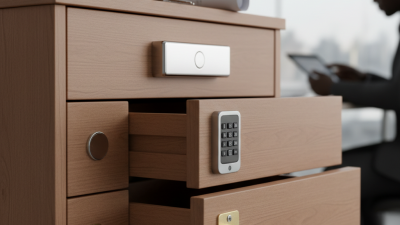
How to choose: Select a flat-key cam lock for general-purpose furniture, a tubular cam lock when improved pick resistance is useful, a push-button lock for quick access, or a combination cam lock when keys are inconvenient.
How to install: Measure the drawer panel thickness and existing hole before purchasing. Remove the old lock, confirm the cam orientation, insert the new lock through the panel, tighten the retaining nut, and test the key several times while the drawer is open.
The dimensions shown are representative nominal sizes commonly used in furniture hardware. Exact mounting requirements vary by lock design, so always verify the product specification before drilling.