Signature Products, Unmatched Quality


  • yx
  • yx
  • whatsapp
  • Twitter
  • Facebook
Leave Your Message

2026 Best Drawer Locks With Key for Global Buyers

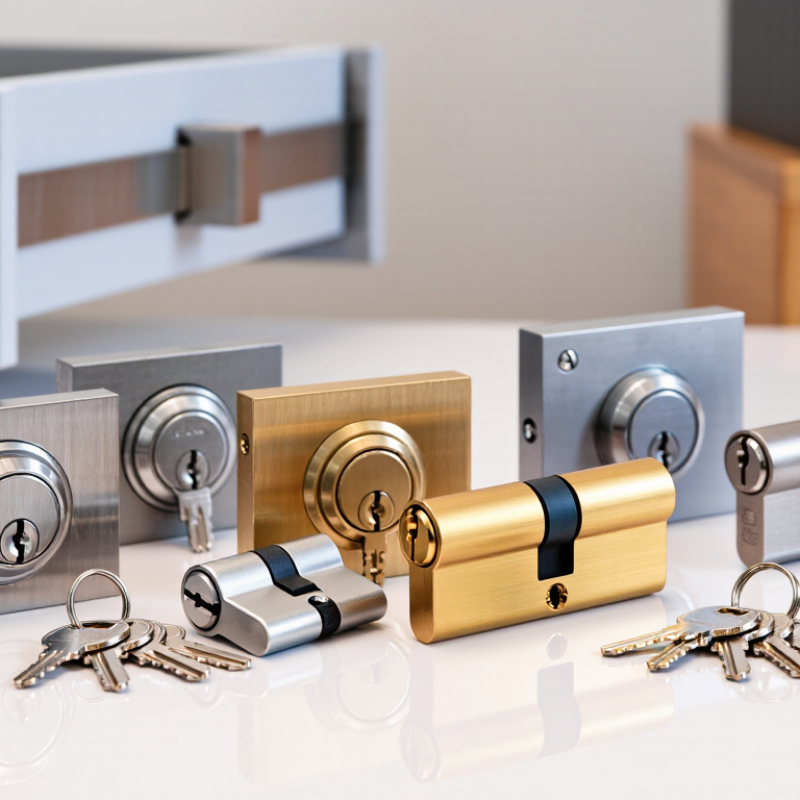
Choosing the right Drawer Locks With Key in 2026 requires more than comparing prices or polished product photos. Global buyers must examine cylinder quality, body material, key control, mounting depth, and replacement availability. A compact cam lock may suit an office pedestal, while a thicker steel lock may better protect workshop drawers. Small details matter.

Graham Pulford, a respected locksmithing educator and author of High-Security Mechanical Locks, has stated, “A lock is only as strong as its installation and the control of its keys.” This principle remains highly relevant. Even a well-machined lock can perform poorly when the cam is too short, the screw is loose, or duplicate keys are unmanaged. Installation matters.

This guide reviews the 2026 best Drawer Locks With Key for international buyers. It considers zinc alloy, stainless steel, brass, tubular, wafer, and pin-tumbler designs. It also examines corrosion resistance, key-retention options, cabinet thickness, and compatibility with common furniture systems. Buyers should verify dimensions before ordering, especially across different regional standards. A product described as “universal” may still require drilling or a different cam length.

Security needs vary. A home office drawer, retail counter, medical cabinet, and industrial tool chest do not face identical risks. There is no perfect lock. That is worth remembering. We will compare practical protection, installation effort, supplier reliability, and long-term maintenance. Some conclusions may remain imperfect because real-world testing differs by environment, usage, and installer skill. Still, careful selection can reduce avoidable failures and improve everyday control over valuable contents.
2026 Best Drawer Locks With Key for Global Buyers

Drawer Lock Types and Key Mechanisms for Global Buyers in 2026

2026 Best Drawer Locks With Key for Global Buyers

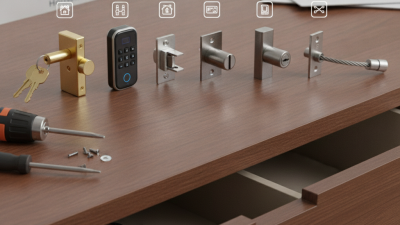
Drawer locks differ in structure, security level, and installation method. Cam locks suit office cabinets, tool drawers, and metal storage units. Their rotating cam grips the frame behind the drawer front. Plunger locks work well when the drawer needs a straight push-and-turn action. Tubular and pin-tumbler cylinders offer more complex key patterns, but they may require deeper cabinet space. Key-retaining designs keep the key in place while unlocked. That can reduce misplaced keys in busy workplaces.

The key mechanism matters as much as the lock body. Wafer systems are compact and usually provide smooth operation. Pin-tumbler systems can offer stronger resistance to casual picking, depending on construction quality. Buyers should check cylinder length, cam shape, screw position, key rotation, and whether keys are keyed alike or differently. Practical fitting experience shows that a small measurement error can stop a project. No lock is universal.

Tips: Request samples before ordering in bulk. Test the lock on the actual drawer material, especially thin steel or laminated wood. Confirm corrosion resistance for humid storage rooms. Ask for material details, cycle testing, and quality inspection records. A master-key system may improve management, but it also needs careful key control. I would not trust a product sheet alone. Some specifications look impressive, yet the key feels stiff after repeated use. That detail deserves another check.
Security Ratings: Comparing UL 437, ANSI/BHMA Grades, and ISO 1174

For 2026 drawer locks, security ratings need careful reading. UL 437 evaluates key-operated locks against picking, drilling, sawing, and forced-entry methods. It is a meaningful benchmark for cabinets holding medicines, documents, or electronics. However, UL 437 does not automatically guarantee total security. Installation quality still matters.

ANSI/BHMA grades offer a different framework. Relevant BHMA standards test durability, cycle life, strength, and operational performance. Higher grades usually indicate tougher testing, but buyers should confirm the exact standard and product category. A drawer lock marked “Grade 1” may not equal a Grade 1 door lock. That detail is often missed.

ISO 1174 also requires caution. It specifies drive ends for hand and machine-operated tools, not drawer-lock security. Treating ISO 1174 as a lock rating could create a serious purchasing error.

Tips: Request the full test standard, edition, and certificate number. Check whether testing covered the complete lock assembly, including the cylinder and cam. Compare key control, corrosion resistance, and cycle-test results. BHMA’s published standards provide test methods, while UL’s certification database helps verify listed products. Independent laboratory reports are stronger evidence than marketing claims. My practical view is simple: a secure cylinder on a weak drawer remains a weak system. Global buyers should also inspect metal thickness, mounting screws, cabinet clearance, and local compliance requirements. Ratings help, but they never replace physical inspection.

Material, Cylinder, and Finish Standards: Brass, Zinc Alloy, and Stainless Steel

For global buyers, a drawer lock’s material affects strength, corrosion resistance, and daily feel. Brass offers stable performance and a warm, naturally refined appearance. It suits indoor furniture and premium wooden drawers. Zinc alloy supports complex shapes and keeps costs controlled. However, thin cast sections may crack after repeated impact. Stainless steel resists moisture and handling marks better. It is a practical choice for kitchens, workshops, and coastal environments.

The cylinder deserves equal attention. Check its body diameter, cam length, key profile, and mounting method before ordering. A precise cylinder should turn smoothly without excessive play. Different markets may use different dimensional preferences, so a sample fitting test remains essential. Small details matter. In practical inspections, a lock can look strong but fail because the cam misses the cabinet frame. Finish quality also needs close review. Brushed finishes hide fingerprints, while polished surfaces create a brighter appearance. Black or colored coatings should bond evenly around edges and screw areas. These points are easy to overlook.

Ask suppliers for material specifications, coating information, and corrosion test results. Do not rely only on catalog photographs. A polished sample can mislead. Brass may tarnish, zinc alloy may show coating wear, and stainless steel may still stain under harsh conditions. Even high-quality locks need suitable installation and regular cleaning. I would also test several keys from one production batch, because smooth operation is not always consistent. That extra check may slow purchasing, but it can prevent costly drawer replacements.

Fit and Installation Data: Cam Lengths, 19 mm Bores, and Cabinet Thickness

For global buyers, fit matters as much as lock strength. Grand View Research valued the global furniture market at about USD 516.6 billion in 2022. Its analysis also projected a 5.2% annual growth rate through 2030. More furniture means more varied drawer construction. A keyed drawer lock must match the cabinet, not just the product photo.

The 19 mm bore is a common reference size. Measure it anyway. A worn or enlarged hole can cause movement around the cylinder. Cam length is equally important. A short cam may not reach the locking bar. An overly long cam can hit the drawer frame. For thin panels, a 10–12 mm cam reach may work. Thicker cabinet fronts often need 18–22 mm. Confirm the panel thickness, cam rotation, and back clearance before ordering. I have seen a correct-looking lock fail because the cam was installed upside down. Small mistakes matter.

Tips: Use a digital caliper, not a ruler. Record the bore diameter, panel thickness, and available rear space. Check whether the lock needs a clockwise or counterclockwise turn. Test one sample drawer first. ANSI/BHMA A156.11 provides recognized performance guidance for cabinet locks, but installation quality still controls daily reliability. The standard helps; it cannot fix poor alignment. Leave a little tolerance for painted edges and uneven timber. That part is often overlooked.

2026 Best Drawer Locks With Key for Global Buyers - Fit and Installation Data: Cam Lengths, 19 mm Bores, and Cabinet Thickness
Configuration Typical Use Required Bore Diameter Suitable Cabinet Thickness Recommended Cylinder Length Common Cam Length Cam Offset Locking Direction Key Removal Installation Data Fit Assessment
Standard straight-cam drawer lock Wooden office drawers, bedside cabinets, and general furniture 19 mm bore
(0.748 in; nominal)
1–22 mm
(0.04–0.87 in)
16–20 mm 18 mm 0 mm 90° clockwise or counterclockwise, depending on cam position Usually removable in the locked position Drill a clean 19 mm hole; insert the cylinder from the front and secure it with the supplied nut or clip.
Long-cylinder straight-cam lock Thick wooden drawers, laminated panels, and double-layer cabinet fronts 19 mm bore 18–30 mm
(0.71–1.18 in)
25–30 mm 22–28 mm 0 mm 90° rotation Normally removable when locked Measure the complete front thickness, including decorative laminates, before selecting the cylinder length.
Short-cylinder straight-cam lock Thin metal drawers, steel pedestals, and compact storage units 19 mm bore 1–10 mm
(0.04–0.39 in)
10–16 mm 18 mm 0 mm 90° rotation Usually removable in the locked position Use a short body to prevent the lock from projecting into the drawer interior.
Offset-cam drawer lock Inset drawer fronts and cabinets where the locking point is set behind the cylinder 19 mm bore 1–22 mm 16–20 mm 18–22 mm 5–10 mm 90° rotation Usually removable when locked Check the offset direction and cam face orientation before tightening the retaining nut.
Hook-cam drawer lock Sliding drawers and applications requiring a hook to engage behind a strike or frame 19 mm bore 1–22 mm 16–20 mm 18–25 mm hook reach Usually 0–8 mm 90° rotation Commonly removable in the locked position Align the hook with the strike opening; allow sufficient clearance for smooth engagement.
Double-bitted key cam lock Commercial furniture, shared storage, and higher-use drawer installations 19 mm bore 1–22 mm 16–20 mm 18–28 mm 0–8 mm 90° rotation Varies by cylinder design Use the supplied cam and retaining hardware; confirm that the key head clears nearby handles.
Removable-core keyed cam lock Facilities with multiple cabinets and planned key replacement 19 mm bore 1–22 mm 16–20 mm 18–28 mm 0–8 mm 90° rotation Depends on the core-retention design Install the housing square to the panel and verify core retention before attaching the cam.
Weather-resistant cam lock Outdoor cabinets, utility drawers, lockers, and humid environments 19 mm bore 1–20 mm 16–20 mm 18–25 mm 0–8 mm 90° rotation Usually removable in the locked position Use the sealing washer supplied with the lock and avoid over-tightening, which can deform thin panels.
Compression cam lock Dust-control cabinets, electrical enclosures, and doors requiring a tighter pull-in 19 mm bore 1–12 mm 16–20 mm 18–25 mm 0–8 mm 90° rotation with final compression Usually removable when locked Leave approximately 1–2 mm of adjustable engagement so the cam compresses the seal without excessive force.
Flat-cam low-clearance lock Drawers with limited internal clearance or nearby sliding hardware 19 mm bore 1–16 mm 12–16 mm 18–22 mm 0 mm 90° rotation Generally removable in the locked position Confirm the cam does not contact the drawer runner, rear panel, or stored contents during full travel.
Reversible-cam furniture lock Global furniture production where left-hand and right-hand installation are both required 19 mm bore 1–22 mm 16–20 mm 18–28 mm 0–8 mm Selectable left or right rotation Usually removable when locked Orient the cam before final tightening and test the complete lock cycle with the drawer fully closed.
High-security restricted-key cam lock Document drawers, controlled-access storage, and equipment cabinets 19 mm bore
Verify the manufacturer’s exact tolerance
1–22 mm 16–20 mm 18–28 mm 0–8 mm 90° rotation Often removable only in a designated position Use the specified key system and retain the supplied security hardware; do not substitute an incompatible cam.

2026 Selection Matrix: Security, Keying, IP Ratings, Cost, and Compliance

For global buyers, selecting a keyed drawer lock in 2026 requires more than comparing prices. A practical matrix should score security, key control, environmental protection, cost, and compliance. Security begins with cylinder resistance, latch strength, mounting stability, and resistance to forced rotation. A hardened housing may help, but weak drawer material can defeat it. Test the complete assembly, not the lock alone. Keying also deserves careful review. Keyed-alike systems simplify maintenance across cabinets. Keyed-different systems limit access between departments. Master-key layouts improve control, yet they create higher administrative risk if records are poor. Keep duplicate keys logged. That sounds obvious. It is often missed.

IP ratings matter when drawers face dust, spray, humidity, or cleaning chemicals. An IP rating describes specific ingress protection; it does not prove corrosion resistance or outdoor durability. Ask for test documentation, operating temperature, and material details. Cost should include installation time, replacement keys, spare cylinders, and future servicing. A low purchase price can become expensive after repeated failures. Compliance checks should match the destination market and application. Review material declarations, safety documentation, labeling, and relevant product standards with a qualified local specialist. Requirements vary by region and sector. Do not rely on a generic certificate. Before ordering, inspect samples with a torque test and several hundred key cycles. Real use is less tidy than a spreadsheet. Leave room for findings that challenge the original ranking.