Signature Products, Unmatched Quality


Leave Your Message
Signature Products, Unmatched Quality


Choosing the right drawer lock affects security, workflow, maintenance, and product lifespan. For global buyers, a Heavy Duty Drawer Lock must withstand repeated use, vibration, dust, and uneven loading. A lock that works well in a quiet office may fail inside a workshop, service vehicle, or industrial cabinet.
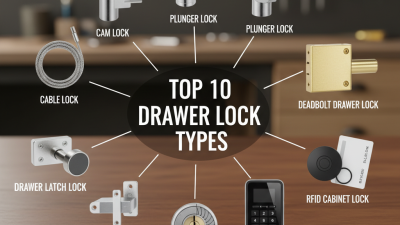
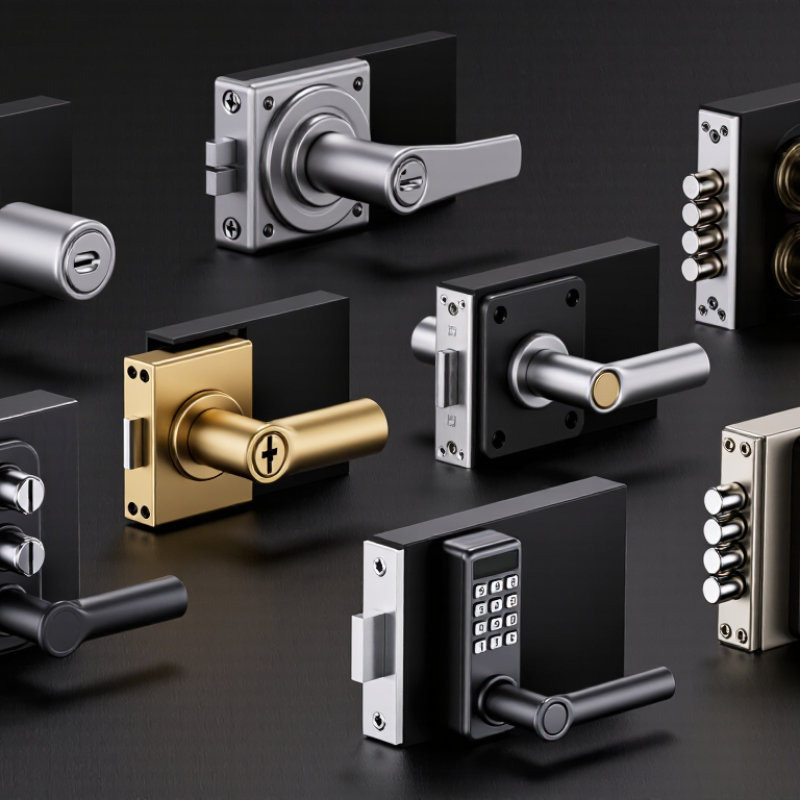
This guide examines ten practical lock types used in heavy-duty drawers and storage systems. These may include cam locks, tubular locks, push locks, barrel locks, multipoint locks, combination locks, electronic locks, and concealed designs. Each option has different strengths. Some provide quick access. Others offer stronger resistance to tampering or better control over multiple drawers. Material quality matters too. Zinc alloy, stainless steel, hardened steel, and reinforced cylinders perform differently in humid or demanding environments.
Small details often decide the purchase.
Experienced buyers should check cylinder construction, key management, mounting depth, drawer thickness, corrosion resistance, and replacement availability. Testing the lock with a fully loaded drawer can reveal problems that product photos hide. Clearance around the handle also matters when workers wear gloves. No single design suits every market or application. That point is easy to overlook.
Reliable sourcing requires more than comparing unit prices. Buyers should request technical drawings, sample testing, load information, finish specifications, and consistent quality records. Regional installation practices may also affect the final choice. This overview offers a practical comparison, while recognizing that real-world performance depends on the cabinet, environment, and maintenance routine. Expect useful guidance, not a perfect answer.
Heavy-Duty Drawer Locks: Definition, Structure, and Core Functions
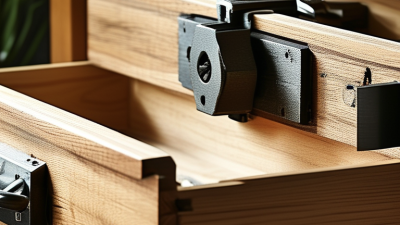
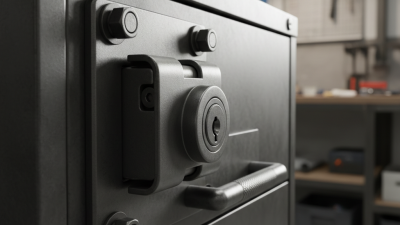
Heavy-duty drawer locks secure drawers exposed to frequent use, vibration, impact, or substantial loads. They are common in industrial cabinets, mobile workstations, tool storage, and transport equipment. Unlike light furniture locks, they use stronger materials and more stable mounting points. A typical lock includes a metal housing, cylinder or key mechanism, cam, fixing nut, and strike plate. Some designs use a sliding bolt or rotating tongue.
The lock body transfers force into the drawer front. The cam then engages with the cabinet frame or rear strike plate. This structure helps prevent unwanted opening during movement. Stainless steel or coated steel can improve resistance against moisture and surface wear. However, coating quality matters more than appearance alone. A bright finish is not proof of long service life.
Reliable selection depends on drawer thickness, available clearance, mounting-hole size, load movement, and operating frequency. During practical cabinet inspections, misalignment appears often. Even a strong lock can fail when the cam barely overlaps the strike plate. Buyers should check key rotation, bolt travel, fixing strength, and corrosion-test data. A lock that feels heavy may still have a weak internal spring. That detail is easy to miss. No design is perfect, so prototypes should be tested under repeated opening, vibration, and temperature changes before large-scale purchasing.
| No. | Lock Type | Basic Structure | Core Operating Principle | Typical Materials | Security Level | Best-Fit Applications | Main Advantages | Important Considerations |
|---|---|---|---|---|---|---|---|---|
| 1 | Heavy-Duty Cam Lock | Cylindrical lock body, key cylinder, rotating cam, retaining nut, and optional dust cover. | A key rotates the cam behind the drawer frame to secure or release the drawer. | Zinc alloy, stainless steel, plated steel, and hardened steel components. | Medium to high, depending on cylinder design and cam thickness. | Metal cabinets, tool drawers, control panels, storage units, and industrial furniture. | Compact, economical, easy to install, and available with different cam positions. | The cam must be correctly matched to the door thickness, frame clearance, and locking direction. |
| 2 | Pin-Tumbler Drawer Lock | A cylinder containing spring-loaded driver pins, key pins, springs, plug, and locking cam or bolt. | The correctly cut key aligns the pin stacks at the shear line, allowing the plug to rotate. | Brass, stainless steel, nickel-plated brass, zinc alloy, and steel. | Medium to high; key control and anti-pick features can increase resistance. | Office storage, industrial cabinets, service drawers, and equipment enclosures. | Established mechanical design, replaceable cylinders, and broad keying options. | Regular cleaning and suitable lubrication are important in dusty or humid environments. |
| 3 | Tubular Key Lock | Round cylinder with radial pin stacks, tubular keyway, plug, and rotating cam. | A tubular key aligns the pins around the circular plug before rotation is possible. | Zinc alloy, brass, stainless steel, hardened steel, and plated components. | Medium to high for applications requiring a compact restricted keyway. | Vending equipment, coin-operated cabinets, electronic enclosures, and service drawers. | Compact profile, distinctive key format, and good resistance to casual tampering. | Replacement keys may require controlled distribution and accurate key-code records. |
| 4 | Wafer-Tumbler Drawer Lock | Cylinder with flat spring-loaded wafers, plug, keyway, and cam or latch tailpiece. | The key aligns the wafers so the plug can turn and operate the locking cam. | Zinc alloy, brass, steel wafers, stainless steel, and plated metal. | Low to medium for general access control; not normally selected for high-threat security. | Furniture drawers, mailboxes, light-duty cabinets, and general storage systems. | Low cost, simple operation, and convenient keyed-alike configurations. | Choose a stronger cylinder type when the drawer stores valuable or sensitive items. |
| 5 | Disc-Detainer Lock | Rotating discs, sidebar or locking bar, plug, precision key, and cam mechanism. | The key rotates individual discs to align a gate that permits the sidebar or plug to move. | Hardened steel, stainless steel, brass, and corrosion-resistant alloys. | High when engineered with hardened components and controlled key profiles. | High-value tool storage, restricted industrial cabinets, and outdoor equipment drawers. | Strong resistance to common pin-cylinder manipulation techniques and harsh use. | Usually costs more and may require specialized keys and replacement procedures. |
| 6 | Sliding-Bolt Drawer Lock | Sliding steel bolt, guide housing, lock cylinder or handle, strike plate, and retaining hardware. | A key or actuator retracts the bolt from the strike; the extended bolt physically blocks the drawer. | Carbon steel, stainless steel, zinc alloy, brass, and reinforced polymer guides. | High against forced opening when the bolt, strike, and cabinet structure are properly reinforced. | Tool chests, heavy storage cabinets, transport equipment, and industrial enclosures. | Provides a positive mechanical barrier and can tolerate repeated drawer movement. | Requires accurate alignment and sufficient internal space for bolt travel. |
| 7 | Multipoint Drawer Lock | Central cylinder or handle connected to rods, hooks, bolts, or locking bars at multiple points. | One operation engages several locking points along the drawer or cabinet front. | Steel rods, stainless steel bolts, zinc alloy housings, brass cylinders, and reinforced fittings. | High for large or wide drawers when the cabinet frame is structurally sound. | Wide industrial drawers, secure filing systems, mobile tool cabinets, and equipment racks. | Reduces front-panel flexing and distributes holding force across several points. | More installation parts, tighter alignment requirements, and higher maintenance complexity. |
| 8 | Compression Latch Lock | Locking handle, cam or hook, compression mechanism, seal interface, and mounting body. | The latch draws the drawer or panel tightly against its frame while the cam or hook locks it. | Stainless steel, zinc alloy, plated steel, aluminum, and elastomer sealing components. | Medium to high for controlled access; security depends on the cylinder and latch construction. | Outdoor cabinets, vehicle equipment, electrical enclosures, and vibration-prone installations. | Limits rattling, improves panel sealing, and performs well under vibration. | The compression distance and gasket thickness must match the enclosure design. |
| 9 | Electronic Keypad Drawer Lock | Keypad, control circuit, motorized or solenoid actuator, latch, power source, and emergency override. | An authorized PIN triggers an electronic actuator that retracts or releases the latch. | Zinc alloy, stainless steel, engineering plastic, electronic components, and steel latch parts. | Medium to high, depending on PIN management, enclosure strength, and override protection. | Shared workspaces, staff storage, healthcare units, retail fixtures, and access-controlled cabinets. | Keyless access, easy code changes, and possible audit or access-management functions. | Battery life, emergency power access, moisture protection, and mechanical override security require planning. |
| 10 | RFID or Smart Drawer Lock | RFID reader or wireless interface, controller, actuator, latch, battery or external power, and override system. | A registered card, tag, credential, or wireless command authorizes the electronic latch to open. | Stainless steel, zinc alloy, engineering plastic, copper wiring, and steel locking components. | Medium to high, depending on credential security, software controls, and physical protection. | Inventory cabinets, laboratories, hospitality storage, smart furniture, and managed workplaces. | Supports user-level permissions, credential revocation, and centralized access management. | Requires power management, system compatibility, cybersecurity controls, and a reliable emergency-opening method. |