Essential Tips for Choosing a Heavy Duty Drawer Lock?
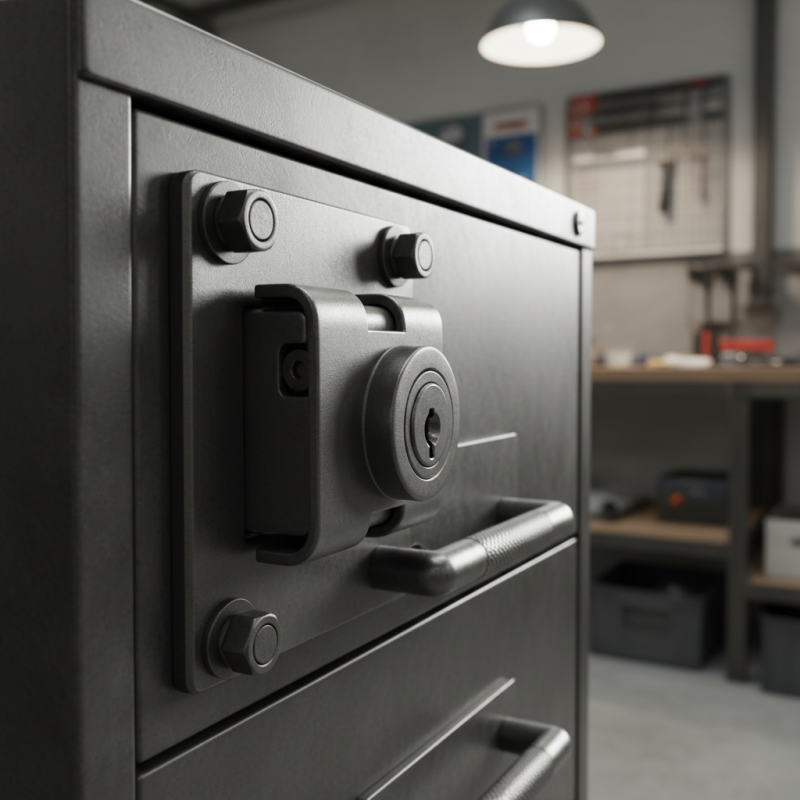
Choosing a Heavy Duty Drawer Lock is crucial for security and functionality. The right lock ensures your valuables are protected. Not all drawer locks are created equal. Some may look sturdy but lack true durability.
When selecting a Heavy Duty Drawer Lock, consider the materials. Steel locks are often stronger than those made from plastic or lighter metals. Look for locks with a high tensile strength rating. Pay attention to the design as well; a good lock must resist tampering.
Reflect on the intended use. Will it be in a high-traffic area? A robust lock is necessary here. However, it’s easy to overlook details like installation. A poorly installed lock can undermine the lock’s effectiveness. Make informed choices to enhance your security.
Understanding Heavy Duty Drawer Locks and Their Applications
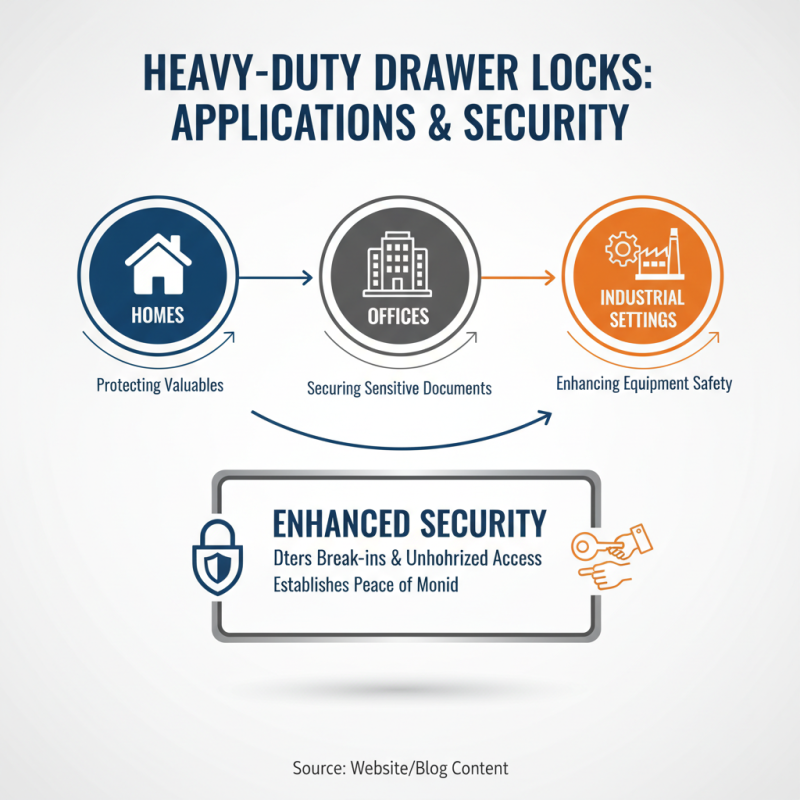
When it comes to heavy-duty drawer locks, understanding their applications is vital. These locks are commonly used in homes, offices, and industrial settings. They provide enhanced security, protecting valuable items and sensitive documents. For instance, a secure lock can deter break-ins and unauthorized access, establishing peace of mind.
Choosing the right heavy-duty drawer lock requires careful consideration. Look for models with durable materials that withstand wear and tear. A tight-fitting mechanism is crucial. It should operate smoothly without jamming. It’s important to test the locking system before finalizing your choice. This ensures that it meets your practical needs.
Keep in mind, not all locks offer the same level of security. Some might be overkill for standard home use. However, for a workshop or storage facility, investing in a high-quality lock is vital. Assess your specific requirements and the environment where the lock will be used. Choosing wisely can save you from future regrets.
Key Features to Consider When Selecting a Heavy Duty Drawer Lock
When selecting a heavy-duty drawer lock, consider several key features. Security is paramount. Look for locks made from durable materials. Metal construction often provides better protection. Strength matters. A solid lock can deter tampering. Choose a lock that withstands force and wear.
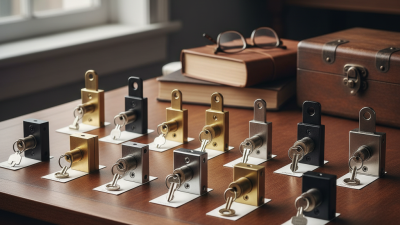
Lock mechanisms come in various styles. Pin tumbler locks are common. They offer reasonable security. However, mortise locks provide extra strength. These locks fit into the drawer itself. They can resist brute force attempts.
Another aspect is ease of use. A drawer lock should be convenient. Check for a design that allows quick access. Complexity can be frustrating, especially under pressure. Think about the key type too. Multiple keys may lead to confusion. Consider a master-key system for simplicity. In the end, balance security and usability. Reflect on your specific needs before making a choice.
Material Choices and Their Impact on Durability and Security
When choosing a heavy-duty drawer lock, material is critical. You might think all metals offer equal strength, but that's not true. For instance, stainless steel is known for its corrosion resistance and longevity. It's ideal for high-humidity environments. Brass locks, while aesthetically pleasing, may not provide the same durability.
Consider the impact of plastic components. Some locks use plastic parts to reduce costs. However, these can easily break or wear down. If you're looking for security, opt for locks with a solid metal mechanism. Weight is also an important factor. Heavier locks often signify a better quality.
It's worth noting that not all manufacturers disclose material quality. You may need to research and compare specifications. Sometimes, a seemingly strong lock may fail under pressure. Pay attention to warranties and user reviews. They can provide insights into how well locks perform over time. Don't overlook these details, as they can greatly affect your decision.
Essential Tips for Choosing a Heavy Duty Drawer Lock
This chart illustrates the impact of different materials on the durability and security of heavy duty drawer locks. The data represents the average rating of durability and security for various materials commonly used in drawer locks.
Installation Tips for Ensuring Optimal Functionality and Safety
Choosing the right heavy-duty drawer lock involves more than just picking an aesthetic option. Proper installation plays a crucial role in ensuring functionality and safety. According to industry data, nearly 30% of security breaches result from improper lock installation. This highlights the importance of getting it right from the start.
To ensure optimal performance, make sure the lock fits the drawer snugly. It should not wobble or shift during use. Before installation, test the alignment of the lock with the drawer frame. Misalignment can lead to failure in locking mechanisms. A simple alignment check takes only a few minutes but can greatly enhance security.
Keep in mind that the environment also affects lock performance. For example, humidity can cause metal components to rust. Using rust-resistant materials can mitigate this risk. When it comes to interior drawers, consider using additional weather stripping to protect the lock from dust and moisture. Regular maintenance checks can also prolong the lifespan of your locks. Many people forget to perform these checks, creating vulnerabilities over time.
Essential Tips for Choosing a Heavy Duty Drawer Lock - Installation Tips for Ensuring Optimal Functionality and Safety
| Feature |
Description |
Benefits |
| Material |
Look for locks made of solid steel or reinforced materials to withstand break-ins. |
Increased durability and resistance to tampering. |
| Locking Mechanism |
Choose between key locks, combination locks, or digital locks depending on your security needs. |
Flexibility in key management and potential access control options. |
| Size and Fit |
Ensure the lock size fits the drawer and does not interfere with the drawer's operation. |
Smooth operation and prevention of drawer damage. |
| Installation Ease |
Look for locks that come with clear installation instructions and all necessary hardware. |
Saves time and reduces frustration during installation. |
| Weather Resistance |
Consider locks that can resist rust and corrosion if installed outdoors. |
Longer lifespan and reduced maintenance costs. |
Common Mistakes to Avoid When Choosing a Heavy Duty Drawer Lock
When selecting a heavy-duty drawer lock, many make common mistakes that can compromise security. First, buyers often neglect to consider the material of the lock. A lock made from substandard metal can fail under stress. According to a report by the Security Industry Association, over 30% of lock failures are attributed to poor material choices. Choosing a durable metal, such as steel, significantly increases the lock's strength and longevity.
Another frequent error is overlooking the lock's rating. Many assume that all heavy-duty locks are created equal, but not all meet stringent standards, such as those set by Underwriters Laboratories (UL). A lock with a low security rating can be easily compromised, leaving valuables vulnerable. A survey indicated that 40% of consumers are unaware of the importance of these ratings. Furthermore, some consumers think a complex locking mechanism ensures security. In reality, simplicity often offers better reliability. A complicated design might fail more frequently due to internal issues.
Potential buyers should also assess their specific needs. A one-size-fits-all approach does not work with heavy-duty drawer locks. Factors like drawer weight and usage frequency play a role. Ignoring these can lead to quick wear and tear. By understanding these common mistakes, individuals can make informed choices and enhance their security effectively.