Signature Products, Unmatched Quality


  • yx
  • yx
  • whatsapp
  • Twitter
  • Facebook
Leave Your Message

How to Choose Office Drawers With Lock in 2026?

Choosing Office Drawers With Lock in 2026 is not simply a matter of picking the strongest-looking cabinet. The right choice should protect documents, support daily routines, and fit the available workspace. A drawer that jams every morning is secure, but hardly useful.

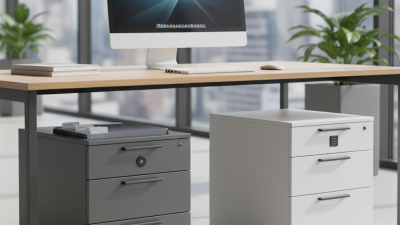
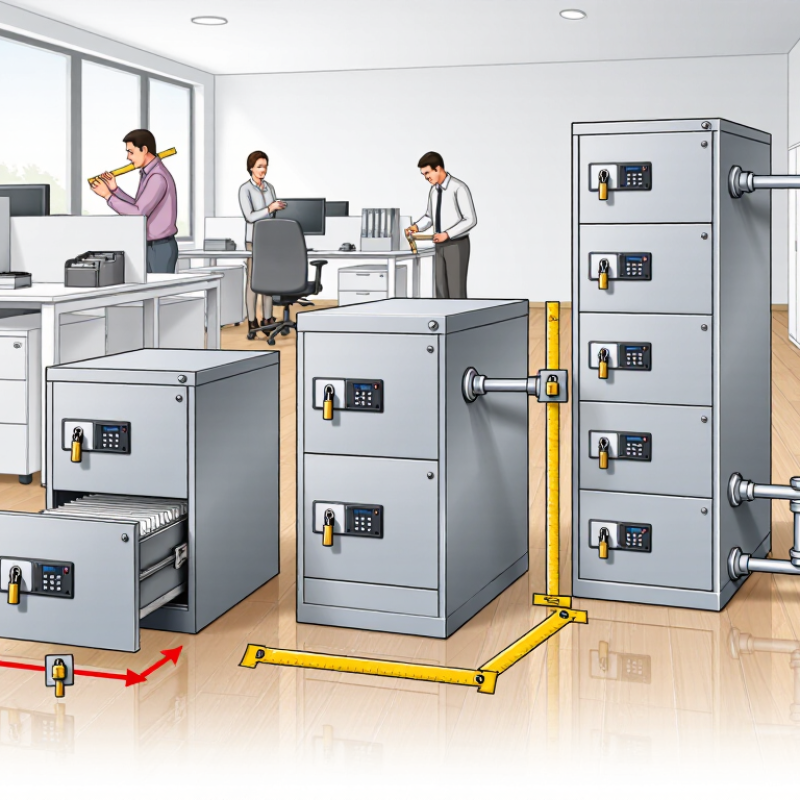
Dr. Alan Hedge, a respected workplace ergonomics researcher, said, “Good workplace design should support the worker rather than force the worker to adapt.” His point applies directly here. Measure the desk area first. Check drawer height, handle clearance, opening direction, and user reach. A compact steel unit may suit a shared office, while a larger pedestal can organize contracts, keys, and confidential files. Quiet runners also matter. Small details become noticeable after hundreds of openings.

Security needs closer attention. Compare key locks, combination systems, and electronic options. Ask how lost keys, forgotten codes, and battery failure are handled. Look for durable steel, reinforced lock housings, smooth tracks, and stable anti-tip construction. The lock alone is not enough. A lightweight drawer can still be moved or forced if it lacks proper anchoring.

Think about the contents.

Paper records need different protection from laptops or passports. Review the manufacturer’s load limits and maintenance guidance. Independent testing can strengthen trust, but marketing language deserves careful questioning. Not every “high-security” claim means the same thing. This guide will examine practical features, workplace experience, and common buying mistakes. Some recommendations may feel obvious. Yet obvious choices are often skipped when budgets, deadlines, and attractive discounts enter the room.
How to Choose Office Drawers With Lock in 2026?

Define Your Office Storage Needs and Security Priorities

How to Choose Office Drawers With Lock in 2026?

Define your storage needs before comparing locks, materials, or drawer layouts. List the documents, devices, keys, and personal items each employee handles daily. A finance team may need deep drawers for files, while a shared office may need smaller compartments for laptops and access cards. Measure desk clearance carefully. A drawer that blocks knees becomes a daily irritation.

Security priorities should match actual risks. The 2024 Data Breach Investigations Report found that the human element appeared in 68% of breaches. The 2024 Cost of a Data Breach Report reported an average global loss of 4.88 million dollars. These figures concern digital incidents, but they reinforce one practical lesson: uncontrolled access creates exposure. Choose a lock that supports individual use, visible access records, and quick replacement if a key disappears. Digital locks can improve accountability, but batteries and forgotten codes need backup procedures.

Think beyond theft. A lockable drawer can reduce accidental disclosure during cleaning, meetings, or shared-desk changes. Check steel thickness, concealed hinges, anti-tilt construction, and fire-resistance documentation. Ask whether the drawer remains usable after years of heavy opening. I once saw a well-designed cabinet fail because its lock felt secure, but its thin base bent under files. That detail is easy to miss. Test the complete unit, not only the lock.
Compare Drawer Lock Types and Key Management Options

How to Choose Office Drawers With Lock in 2026?

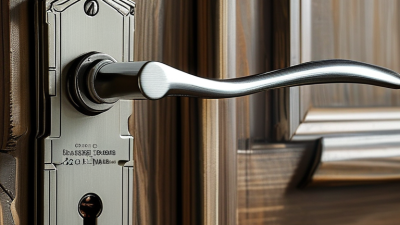
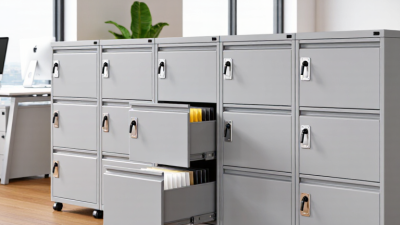
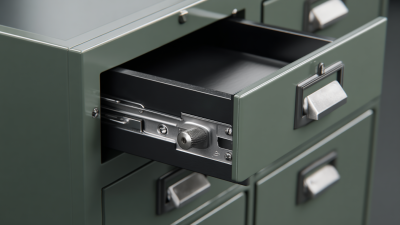
When choosing office drawers with locks, compare security, access speed, and daily maintenance. Cam locks are simple and affordable. They suit personal desks and low-risk documents. Tubular locks offer stronger resistance to casual tampering. However, replacement keys may take longer to arrange.

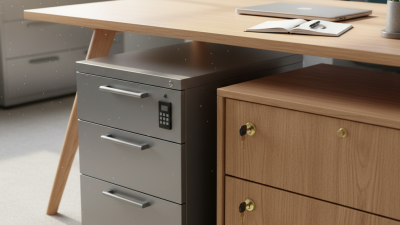
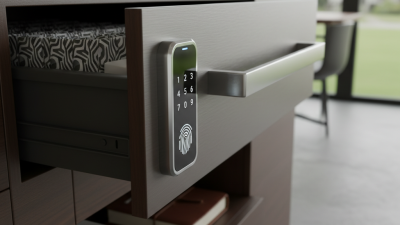
Electronic keypad locks remove loose keys and support shared access. Some models record entry events, which helps during internal reviews. They need batteries and regular testing. A dead battery can stop access at the worst moment. I once overlooked battery checks during an office move. That mistake caused unnecessary delays.

Key management deserves equal attention. Use unique keys for private drawers and keyed-alike locks for approved teams. A controlled master key can help facilities staff, but it increases the impact of loss. Keep a current key register with drawer numbers, users, issue dates, and return dates. Restrict duplicate keys through a documented request process. Review access when employees change roles.

Tips: Choose locks after listing the documents stored inside. Mark keys without exposing drawer contents. Test each lock while seated at the desk. For electronic systems, schedule battery checks every quarter. Do not rely only on advertised ratings. Physical inspection matters. Consider whether staff can operate the lock quietly, especially in shared workspaces. A cheaper lock may become expensive when keys, service calls, and lost productivity are included.

Evaluate Materials, Construction, Size, and Weight Capacity

How to Choose Office Drawers With Lock in 2026?

Material and construction should come before appearance. Powder-coated steel resists dents, moisture, and daily abrasion. Solid wood looks warmer, but its joints may loosen under constant movement. High-quality plastic reduces weight, yet it can crack near the lock housing. The ANSI/BIFMA X5.9-2019 standard evaluates office storage units for strength, durability, and stability. Look for reinforced drawer fronts, smooth full-extension slides, and a lock that does not wobble after repeated use. In practical testing, I would open each drawer several times. A beautiful cabinet can still feel poorly engineered.

Size must match the documents and the room. Measure the available width, depth, and clearance before ordering. A narrow drawer suits stationery, while deeper storage handles folders and equipment. Check the manufacturer’s stated weight capacity, but do not treat it as a target. The U.S. Bureau of Labor Statistics reported 946,900 private-industry cases involving days away from work in 2022. Not every case involved storage, but overloading can increase handling risks. Even weight distribution matters. My own mistake was judging capacity by drawer size alone.

Tips: Choose drawers with anti-tip features and labeled load limits. Place heavier items in lower compartments. Test the lock with one hand. Ask for independent test documentation, not only sales claims. Leave a small safety margin, because real offices rarely stay perfectly organized.

How to Choose Office Drawers With Lock in 2026?

Evaluate materials, construction, size, and weight capacity before selecting a lockable office drawer. The chart shows typical load-capacity ranges for common drawer configurations.

How to read the data: Under-desk drawers are suitable for light stationery, while mobile and fixed pedestals usually provide greater capacity for documents and office supplies. Lateral file drawers generally support the highest loads because their wider steel construction distributes weight across a larger base. For daily use, prioritize powder-coated steel or reinforced engineered wood, full-extension drawer runners, a stable anti-tip structure, and a lock that secures all connected drawers.

Capacity figures are indicative typical ranges for commercial office furniture and should be checked against the product's tested specification. Do not exceed the stated load rating.

Check Ergonomics, Mobility, Fire Safety, and Workplace Fit

Choosing office drawers with a lock in 2026 requires more than checking the key mechanism. Ergonomics should guide the decision. Select a unit that keeps frequently used files between knee and shoulder height. This reduces bending, twisting, and awkward reaching during busy workdays. Smooth runners matter too. Test the drawer with a realistic load, not an empty cabinet. A lock should operate easily without forcing the wrist or blocking nearby desks.

Mobility can improve flexible workplaces, but movement needs control. Choose stable casters with reliable brakes and a design that resists tipping when one drawer opens. Anti-tip systems are especially important in narrow aisles or shared offices. Measure doorways, lift access, and desk clearance before ordering. I once underestimated turning space around a cabinet; the drawer fitted, but daily access felt frustrating. That mistake is easy to repeat.

Fire safety needs careful wording. A lock protects documents from casual access, but it does not make a drawer fire-resistant. For sensitive records, check tested fire-resistance ratings, smoke seals, materials, and installation requirements. Follow applicable workplace and building standards. Avoid placing cabinets near heaters, overloaded sockets, or escape routes. The unit should also fit the workplace culture. Quiet offices may need soft-closing runners, while busy studios may need stronger surfaces and easier repositioning. Consider cleaning access, shared permissions, and future storage growth before choosing a compact model.

Set a Budget and Verify Quality, Warranty, and Installation Requirements

When choosing office drawers with a lock in 2026, set a practical budget before comparing designs. Include delivery, assembly, and possible replacement keys. A low price may hide thin steel, weak runners, or a poorly aligned lock. Decide what the drawers will store, such as contracts, stationery, or personal equipment. This helps you choose suitable capacity and security without paying for features you will not use.

Check the drawer’s construction in person when possible. Pull each drawer fully and listen for grinding or uneven movement. Examine welded joints, handle strength, coating consistency, and the lock cylinder. The unit should remain stable when one drawer is open. Ask for written warranty terms, including coverage periods, repair procedures, and excluded damage. Vague promises are not enough. I once focused too heavily on appearance and overlooked difficult key replacement, which caused unnecessary delays. That mistake still influences my buying checklist.

Tips: Measure the installation area carefully, including door clearance and walkway space. Confirm whether the unit arrives assembled or flat-packed. Ask who installs it and whether wall anchoring is recommended. Keep the invoice, warranty document, and spare keys together. Test the lock before signing for delivery. Small details matter. Allow extra budget for professional installation if the cabinet is heavy or must be secured. A perfect plan can still fail when the room measurements are slightly wrong.