How to Choose the Best Zinc Alloy Drawer Lock for Your Needs?
Choosing the right Zinc Alloy Drawer Lock is essential for securing your belongings. With various options available, understanding the key features is crucial. Zinc alloy is renowned for its durability and resistance to corrosion, making it a popular choice for drawer locks.
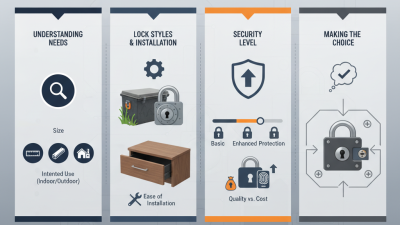
When selecting a lock, consider the specific needs of your space. Assess the thickness of your drawer and the security level required. A lock that provides high protection may be more complex. Simpler locks may suffice for less valuable items.
You may find it overwhelming to choose the best option. Reading reviews and seeking recommendations can help. Reflect on your past experiences with locks. What features worked well? What didn’t? A well-chosen Zinc Alloy Drawer Lock can enhance both security and convenience in your home or office.
Factors to Consider When Choosing a Zinc Alloy Drawer Lock
When choosing a zinc alloy drawer lock, understanding the key factors is essential. One crucial element is corrosion resistance. According to a recent industry report, zinc alloys can resist moisture better than many alternatives. This is particularly beneficial in humid environments where rust may develop on inferior materials.
Another factor to consider is the lock's durability. Many manufacturers claim their locks can withstand varying levels of wear and tear. However, look for those that provide detailed tests or certifications supporting their claims. Moreover, the locking mechanism should be evaluated for security; consider those that offer advanced features such as anti-drill plates.
Tip: Always check the weight of the lock. A heavier lock generally indicates more robust materials and better construction.
Lastly, aesthetics play a role. The finish of the lock should match your furniture style. A lock that blends in can enhance the overall look. In contrast, a poorly matched lock can detract from it, leading to a less polished appearance.
Tip: Don’t rush the selection process. Take time to weigh options, as choices made hastily may lead to future regrets.
Factors to Consider When Choosing a Zinc Alloy Drawer Lock
Types of Zinc Alloy Drawer Locks Available in the Market
Zinc alloy drawer locks are a popular choice due to their strength and corrosion resistance. The market offers various types. Understanding these types can help you make an informed decision.
One common type is the cam lock. This lock uses a rotating cylinder to secure the drawer. It's suitable for light to medium-duty applications. Reports show that cam locks account for about 45% of the drawer lock market. They are easy to install and replace. However, their security level may not meet the needs of all users.
Another popular option is the push-to-open lock. This lock eliminates the need for a key. You simply push the drawer to unlock it. While convenient, these locks can sometimes malfunction if not properly installed. They are gaining traction in modern furniture design, especially in kitchens and offices. Yet, some users have reported issues with durability over time, suggesting a need for careful selection.
Lastly, electronic locks are becoming more common. They offer higher security but come with a higher price tag. A recent survey showed that 30% of consumers prefer electronic updates for their furniture. Even so, they may require battery replacements. Consider your needs and the type of use. Be aware that the right choice hinges on balancing convenience and security.
How to Choose the Best Zinc Alloy Drawer Lock for Your Needs? - Types of Zinc Alloy Drawer Locks Available in the Market
| Type of Lock |
Security Level |
Key Type |
Application |
Price Range |
| Basic Drawer Lock |
Low |
Single Key |
Home Furniture |
$5 - $10 |
| Cam Lock |
Medium |
Flat Key |
Office Cabinets |
$8 - $15 |
| Electronic Drawer Lock |
High |
Code/Keycard |
Safe Boxes |
$50 - $100 |
| T-Handle Lock |
Medium |
T-Key |
Tool Boxes |
$10 - $25 |
| Pad Lock |
High |
Key |
External Drawers |
$15 - $30 |
Evaluating the Security Features of Zinc Alloy Drawer Locks
Security features are crucial when choosing a zinc alloy drawer lock. Zinc alloy is known for its strength and corrosion resistance. However, not all locks are created equal. According to a recent survey by the Security Industry Association, 70% of consumers prioritize security features when selecting locks. This indicates a growing demand for more reliable locking mechanisms.
When assessing security, consider the lock's resistance to picking and drilling. Many zinc alloy locks offer improved anti-drill features. A report by the International Security Technology Association notes that locks with enhanced anti-picking systems can deter unauthorized access by over 50%. Some locks use hardened steel pins and complex internal mechanisms, increasing their security level significantly.
While many locks claim superior security, it's essential to evaluate certifications. Look for products that meet industry standards like ANSI/BHMA grades. These certifications provide assurance of durability and security. However, it is important to remember that no lock is entirely foolproof. Regular maintenance and updates to your security system can help mitigate risks and enhance overall protection.
Understanding the Installation Process for Zinc Alloy Drawer Locks
When installing a zinc alloy drawer lock, clarity is essential. Begin by gathering tools like a drill, screwdriver, and measuring tape. Ensure your workspace is organized. Accurate measurements prevent mistakes. A well-prepared area contributes to a smoother installation.
Start with the drawer. Measure the desired lock placement carefully. Mark spots for drilling. Drill holes slowly to avoid damaging the drawer material. Test-fit the lock before securing it. This step helps check alignment and functionality. If adjustments are needed, it’s easier to make them now rather than later.
**Tips:** Always double-check measurements. A small error can lead to misalignment. Use a level to ensure the lock is straight. Consider using wood glue for extra stability.
Remember that installation can be a trial-and-error process. You might encounter unexpected challenges. The key is to remain patient and adjust as needed. Don't rush through the process. Take time to review each step for a successful outcome.
Comparing Price Points and Durability of Different Drawer Locks
When selecting a zinc alloy drawer lock, price and durability are essential factors. Studies show that the lifespan of drawer locks can vary significantly. High-quality zinc alloy locks often last over ten years with proper maintenance. In contrast, cheaper alternatives might only function well for three years or less, leading to additional replacement costs.
Price points also fluctuate. Affordable drawer locks can range from $10 to $20, while premium options may cost between $30 and $60. However, investing in a durable option often pays off. A report from the Lock Manufacturers Association states that the total cost of ownership includes not only the purchase price but also maintenance and replacement costs. Thus, a mid-range zinc alloy lock could be more economical long-term, even if the initial investment is higher.
Moreover, it’s vital to consider that not all locks advertised as durable are reliable. Some budget models use thinner materials, compromising security and longevity. Industry evaluations recommend checking for certifications, as these can indicate the performance and reliability of drawer locks. A lock that fails in critical situations could lead to frustration and costly consequences. Balance your need for affordability with the potential pitfalls of lower-quality products.