What Are the Best Drawer Locks With Key for Your Security Needs
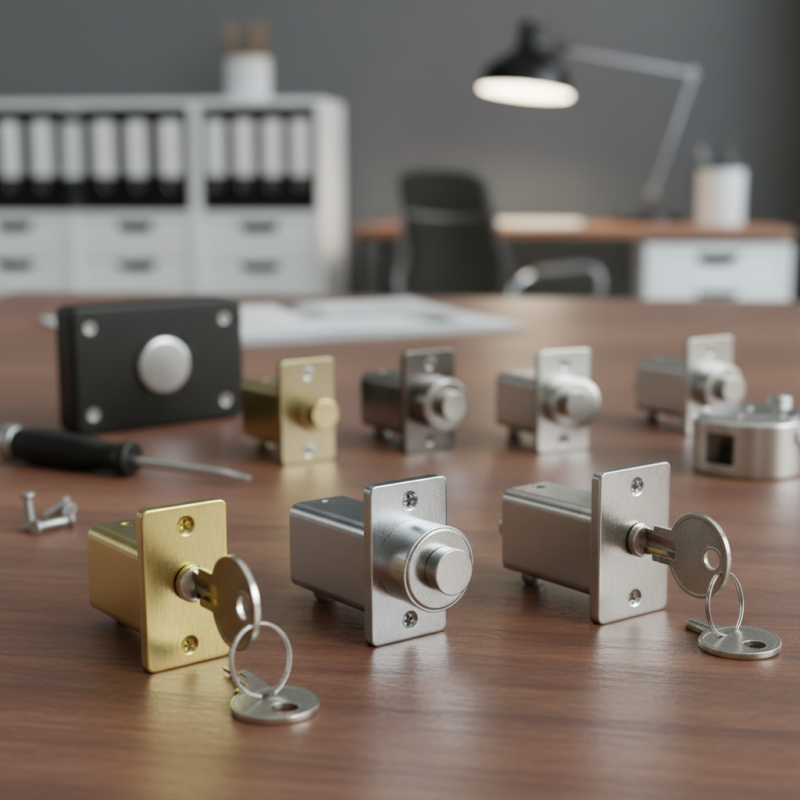
When it comes to safeguarding your belongings, choosing the right drawer locks with key is crucial. These locks offer convenience and peace of mind for both home and office use. They come in various styles and materials, making it essential to find the best match for your security needs.
Drawer locks with key can provide an extra layer of protection against unauthorized access. However, not all locks are created equal. The quality and design can vary significantly. Some may seem tough but can be easily compromised. It’s important to consider factors like durability and ease of use.
Many people overlook the installation process. A poorly installed lock might fail when needed. While it’s tempting to rush this step, taking your time pays off. In the end, investing in reliable drawer locks with key is about securing what matters most to you. Choose wisely and reflect on your security needs.
Understanding Different Types of Drawer Locks with Keys
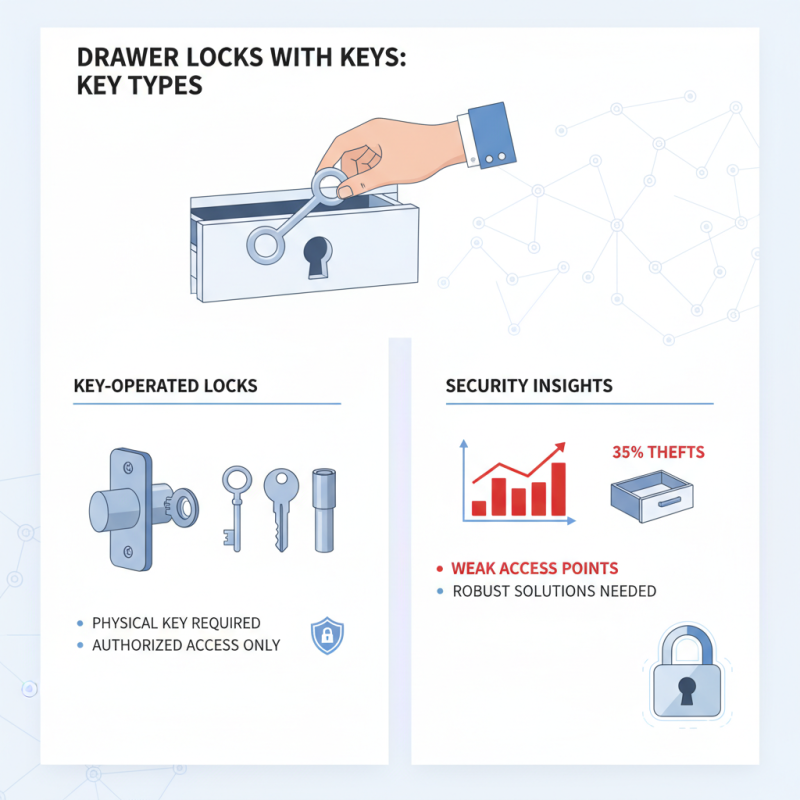
When considering drawer locks with keys, it's important to know the types available. A key-operated lock is a common choice. These locks require a physical key, ensuring that only authorized individuals can access the contents. According to recent security reports, around 35% of thefts occur through weak access points like drawers. This statistic highlights the need for robust solutions.
Another option is cam locks, often seen in furniture and cabinets. They are versatile and easy to install. A study from a security firm indicated that installing cam locks can reduce unauthorized access by up to 50%. However, some users reported issues with durability, which poses a concern. Many factors contribute to their effectiveness, including material quality and installation methods.
Lastly, electronic locks are gaining popularity. They offer keyless entry and can be programmed for multiple users. Data shows that installations of electronic options have increased by over 20% in the past few years. Yet, they require battery maintenance, which can lead to accessibility issues. Weighing these pros and cons helps in selecting the right type for your needs.
Evaluating Security Features of Drawer Locks
When choosing a drawer lock, security features are paramount. A sturdy lock keeps your belongings safe. Look for locks with solid construction and reliable material. Steel and hardened metal often provide better protection than plastic. Consider the mechanism as well. A deadbolt system is usually more secure than a simple latch.
Another important aspect is the key type. Some locks come with master keys, which allow for more flexibility. However, having multiple keys may increase the risk of unauthorized access. Think about how the key is designed. Some styles are harder to duplicate, adding another layer of security.
Installation quality also plays a significant role. A poorly installed lock can be easily bypassed. Make sure the lock fits the drawer properly. Inspect the alignment regularly to ensure it functions well. If it becomes loose over time, tighten it immediately. Reflecting on your security needs regularly can help you choose the right lock. Consider changing the lock if you notice signs of wear or if key access has become too easy.
What Are the Best Drawer Locks With Key for Your Security Needs - Evaluating Security Features of Drawer Locks
| Lock Type |
Key Control |
Material |
Security Rating |
Price Range |
| Deadbolt Lock |
Restricted Keyway |
Steel |
High |
$30 - $50 |
| Cam Lock |
Standard Key Control |
Zinc Alloy |
Medium |
$10 - $25 |
| Electronic Lock |
PIN Code Access |
Aluminum |
Very High |
$50 - $100 |
| Sliding Drawer Lock |
Key Control |
Plastic |
Low |
$5 - $15 |
| Mortise Lock |
Custom Key System |
Brass |
High |
$40 - $80 |
Key Considerations When Choosing Drawer Locks
Choosing the right drawer lock is essential for your security needs. Consider the lock's material and durability. Metal locks often provide better security than plastic ones. Look for locks that resist wear and tear, especially in high-use areas. A sturdy lock can deter break-ins and offer peace of mind.
Think about the locking mechanism. Some locks use a simple key system, while others have more complex mechanisms. A lock with multiple pins is often harder to pick. Also, consider the ease of use. If the lock is difficult to operate, you might face frustrations in daily life. A balance between security and convenience is crucial.
Another aspect is installation. Some locks require professional help, while others are DIY-friendly. Remember that improper installation can compromise security. Make sure to follow instructions closely. Reflect on how often you access the drawers. Infrequently used drawers might need less secure locks. Yet, valuable items need the best protection possible.
Top Recommended Drawer Locks for Enhanced Security
When it comes to securing your valuables, selecting the right drawer lock is crucial. A recent study indicated that up to 30% of break-ins involve tampering with locks. This statistic highlights the importance of choosing robust and reliable locking mechanisms. Many users often overlook the significance of the materials used in locks. Metal locks generally offer more durability than plastic ones. Consumers should pay attention to their specific needs when selecting a lock.
Among the recommended options, a combination lock can provide enhanced security. These locks require a sequence to open, reducing the risk of unauthorized access. Another popular choice is the traditional key lock. While convenient, these can be compromised if someone duplicates the key. It’s essential to consider whether a keyed lock or a combination lock better suits your security needs.
Despite advancements, many users still rely on outdated locking systems. This indicates a gap in awareness about modern security options. Regularly evaluating security needs is necessary. It allows for a better understanding of which locks can truly provide peace of mind. Investing in quality drawer locks is not just about protection; it's about a commitment to safeguarding your belongings.
Installation Tips for Drawer Locks to Maximize Safety
When it comes to securing your belongings, choosing the right drawer lock is essential. Proper installation can make a significant difference in ensuring safety. Here are some tips to follow.
Begin by selecting a suitable lock. Ensure it fits your drawer size. The lock should align with the drawer's front for proper functioning. Measure carefully before making any cuts or adjustments. A well-fitted lock provides better security.
Next, pay attention to the installation process. Use a level to mark where the lock will go. Drill holes carefully to avoid damaging the wood. If the lock has a mounting plate, ensure it’s flush against the drawer surface. Alignment is critical; misalignment can weaken your security.
Lastly, always test the lock after installation. Open and close the drawer several times. Ensure that the key turns smoothly and locks securely. If it catches or feels loose, reevaluate your installation. It's worth redoing it rather than compromising safety. Small mistakes can lead to security breaches.