Signature Products, Unmatched Quality


  • yx
  • yx
  • whatsapp
  • Twitter
  • Facebook
Leave Your Message

2026 Best Drawer Lock Types for Global Buyers?

Choosing the right Drawer Lock is rarely a simple matter of selecting the cheapest model. Global buyers must compare security, materials, dimensions, installation methods, and long-term reliability.

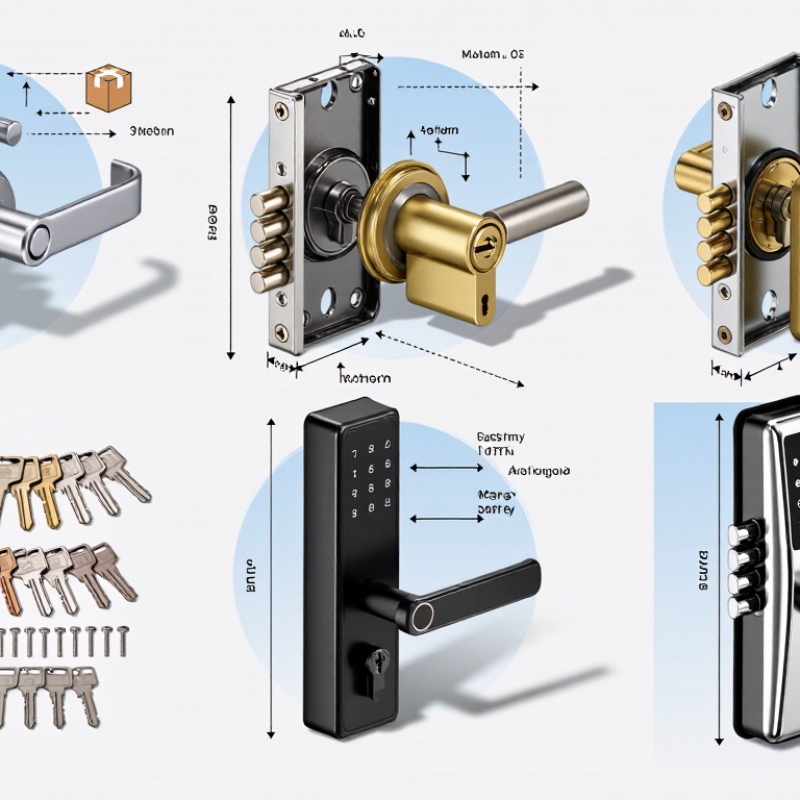
A cam lock may suit office pedestals and wooden cabinets. A tubular lock can offer stronger resistance for commercial furniture. Push locks support quick access, while combination and electronic models reduce key-management problems. Each type has limits. A compact lock may save space but provide less physical protection. An electronic option may improve convenience but require batteries, testing, and clearer maintenance procedures.

Bruce Schneier, a respected security technologist, states, “Security is a process, not a product.” This principle applies directly to drawer hardware. The lock body, strike plate, drawer material, key control, and installation quality must work together. A strong cylinder cannot compensate for a thin cabinet wall or poorly aligned latch.

This guide examines the 2026 Drawer Lock choices most relevant to international purchasing teams. It considers zinc alloy, brass, stainless steel, and reinforced steel construction. It also reviews corrosion exposure, master-key planning, replacement parts, packaging, and supplier consistency. These details matter when products travel through humid ports, cold warehouses, and repeated installation sites.

Some recommendations will not fit every market. Product specifications change, and supplier claims deserve verification. Buyers should request samples, dimensional drawings, test evidence, and batch-quality records before placing large orders. Small details matter. A two-millimeter mismatch can stop installation.

The goal is practical selection, not exaggerated security promises. Reliable Drawer Lock purchasing begins with the drawer, the environment, and the actual user.
2026 Best Drawer Lock Types for Global Buyers?

Drawer Lock Types Explained: Mechanisms, Uses, and Security Levels

Drawer locks vary by mechanism, intended use, and resistance level. A spring-loaded cam lock suits office pedestals and light-duty cabinets. Its rotating tongue grips the frame with a simple quarter-turn. Pin-tumbler cam locks offer better picking resistance and more key combinations. Tubular locks work well on compact retail drawers, but replacement keys can be less convenient.

Electronic locks add PIN, RFID, or biometric access. Grand View Research valued the global smart lock market at USD 2.95 billion in 2023, with a projected 19.6% CAGR through 2030. This figure covers all smart locks, not drawer products alone.

Tips:

Match the lock body to the drawer panel thickness. Measure the cam reach before ordering. For confidential files, choose a hardened steel body and protected cylinder. Look for test evidence under EN 16864 or comparable cabinet-lock standards. Mechanical locks remain dependable where batteries, dust, or cold conditions create problems. Electronic models provide access records, but their security depends on software, power management, and administrator controls.

In practical installations, the weakest point is often the drawer material, not the lock. Thin sheet metal can bend around a strong cylinder. A reinforced strike area improves resistance. Multi-drawer cabinets may need anti-tilt hardware, especially in workplaces.

I have seen buyers overvalue fingerprint access while ignoring emergency override design. That is an easy mistake. Security ratings also vary between markets, so request test reports, cycle-life results, and clear replacement-key policies before purchasing.
Cam Locks, Central Locks, and Side-Mount Locking Systems

2026 Best Drawer Lock Types for Global Buyers?

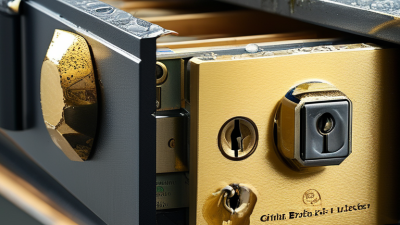
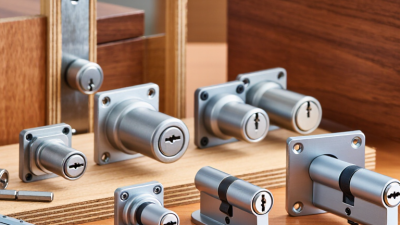
Cam locks remain a practical choice for office drawers, metal cabinets, and compact storage units. Their rotating cam grips behind the drawer panel with a simple quarter-turn. They are easy to install and replace. However, panel thickness and cam length must match precisely. A loose fit can cause rattling or poor security. In my experience, buyers often focus on cylinder finish and overlook mounting depth.

Central locks suit multi-drawer cabinets. One cylinder can control several drawers through connecting rods or bars. This design keeps the cabinet visually clean and simplifies access management. It also demands accurate alignment. A small error may prevent the lowest drawer from closing. Central systems can feel professional, but they require more careful assembly and inspection.

Tips: Measure panel thickness, lock body depth, and available clearance before ordering. For frequent use, test the lock with a fully loaded drawer. Side-mount locking systems work well when front-panel space is limited. They attach along the drawer side and can support a discreet locking layout. Still, side clearance varies between cabinet designs. Do not assume a universal fit. I would request sample units and check cycle performance before a large purchase. That extra step may feel slow, but it can reveal weak springs, rough rotation, or inconsistent key movement.

2026 Best Drawer Lock Types for Global Buyers

This comparative buyer index uses a 1–5 scale based on common mechanical characteristics: security level, installation simplicity, suitability for multiple drawers, retrofit potential, and routine maintenance. Cam locks are generally simple and retrofit-friendly, central locks are better for securing several drawers with one mechanism, and side-mount locking systems provide a balanced option for modular drawer units.

Keyed, Combination, Electronic, and Smart Drawer Locks

2026 Best Drawer Lock Types for Global Buyers?

Keyed, Combination, Electronic, and Smart Drawer Locks

Drawer locks are small, but their security requirements vary widely. Keyed locks remain practical for office cabinets, retail counters, and tool drawers. They offer predictable operation and do not depend on batteries. Combination locks reduce key-management problems, although forgotten codes can create delays. Electronic locks provide PIN, card, or fingerprint access. They suit shared workplaces that need user control and access records.

Smart drawer locks add mobile management, temporary permissions, and activity alerts. However, connectivity introduces extra maintenance and cybersecurity considerations. Grand View Research reports that the global smart locks market was valued at approximately USD 2.58 billion in 2023. It also projects a 19.6% compound annual growth rate from 2024 to 2030. Drawer-specific data remains fragmented, so buyers should avoid treating smart-lock growth as proof of universal suitability. A simple keyed lock may still outperform a smart model in dusty, low-connectivity environments.

Tips: Check drawer thickness, latch reach, mounting space, and replacement battery access before ordering. Test the lock with gloves if workers use it daily. Ask suppliers for durability testing, encryption details, failure-mode instructions, and documented warranty terms. UL Solutions and IEC-based test references can improve supplier comparisons, but certification claims still require verification. One overlooked weakness is emergency access. A backup method can improve resilience, yet it may also reduce security if poorly controlled. Review that trade-off with the installer.

How to Choose Drawer Locks for Different Furniture and Applications

Choosing drawer locks starts with the furniture’s daily use, not only its appearance. A bedside table usually needs a compact cam lock with a short throw. It should open quietly and resist casual prying. For office pedestals, consider a central locking system. One key can secure several drawers, which improves workflow. File cabinets may require stronger steel components and a longer locking bar. Heavy documents create more pressure than household items.

Sliding drawers often benefit from push locks or spring-loaded catches. These options save space behind shallow fronts. Glass display cabinets may need a small cylinder lock with a neat finish. In workshops, dust-resistant locks and covered keyways are more practical. Moist rooms require corrosion-resistant materials, such as plated steel or suitable stainless alloys. Electronic locks can suit shared facilities, but battery access needs careful planning.

During product inspections, I check alignment, screw strength, key rotation, and repeated opening cycles. A lock may look sturdy yet fail when the drawer front flexes. I have seen buyers choose oversized locks for small drawers, creating installation problems. That mistake is easy to repeat. Measure the drawer thickness, internal clearance, and mounting hole before ordering. Check replacement parts and local compliance requirements as well. Security expectations differ between markets, so one universal lock rarely fits every application.

2026 Best Drawer Lock Types for Global Buyers? - How to Choose Drawer Locks for Different Furniture and Applications

Drawer Lock Type Typical Furniture or Application Security Level Common Materials Installation Method Keying and Access Options Main Advantages Important Limitations Best Buying Consideration
Cam Lock Office pedestals, cabinets, desks, mailboxes and flat-pack furniture Basic to medium Zinc alloy, steel, stainless steel or plastic trim Drilled mounting hole; rear cam secured with a nut or clip Keyed alike, keyed differently, removable core or limited master-key systems Compact, economical, easy to install and widely available in different lengths Limited resistance to forced entry compared with enclosed or multi-point designs Confirm panel thickness, cylinder length, cam rotation and required locking direction
Tubular Cam Lock Retail display cabinets, lockers, vending equipment and compact storage units Basic to medium Zinc alloy or steel; nickel-plated or powder-coated finishes Through-panel installation with a retaining nut or fixing clip Tubular key; keyed alike or keyed differently options are commonly available Distinctive key format, compact body and convenient replacement options Security depends strongly on cylinder quality, key control and enclosure design Check key-retention requirements, cylinder diameter and available cam profiles
Pin-Tumbler Drawer Lock Office furniture, wooden cabinets, tool storage and general-purpose drawers Medium Brass, zinc alloy, stainless steel and hardened steel components Surface-mounted or through-panel, depending on the housing design Standard pin-tumbler key; different key combinations and master-keying may be specified Familiar operation, broad keying flexibility and better pick resistance than simple wafer designs Requires accurate alignment and may need more installation space Evaluate key-combination management, cylinder durability and replacement-key availability
Wafer Lock Light-duty drawers, small cabinets, furniture accessories and interior compartments Basic Zinc alloy, steel or brass-plated components Usually mounted through a prepared panel hole Flat key; keyed alike and keyed differently configurations Low cost, simple operation and suitable for high-volume furniture production Not intended for high-value contents or high-risk environments Use when deterrence and privacy are more important than high physical security
Sliding Bolt Lock Wooden cabinets, workshop drawers, storage chests and retrofit projects Basic to medium Steel, stainless steel, brass or zinc alloy Surface-mounted with screws; some models require a strike plate Keyed cylinder, padlock-compatible or manually operated versions Strong visible bolt action, easy retrofit installation and flexible mounting Can occupy internal drawer space and may be vulnerable if the mounting screws are exposed Check bolt throw, strike alignment, screw strength and available clearance
Hook or Latch Lock Sliding drawers, tambour cabinets, compact lockers and metal furniture Medium Zinc alloy, steel and stainless steel Through-panel installation with a hook or latch engaging a keeper Keyed cylinder; optional push-to-lock or key-retaining functions Works well where a straight bolt cannot align with the frame or side panel Requires precise keeper positioning and may be unsuitable for heavily misaligned drawers Measure the gap, hook rotation, engagement depth and opening direction
Central Locking System Multi-drawer filing cabinets, office pedestals and institutional storage Medium to high Steel rods, zinc alloy cylinder, steel cams and reinforced brackets Lock cylinder connected to rods or a vertical locking bar Single-key operation for several drawers; optional master-key systems Locks multiple drawers at once and reduces the number of separate cylinders More complex installation, higher replacement cost and greater alignment sensitivity Verify cabinet height, rod travel, drawer layout and anti-tip requirements
Electronic or Keypad Lock Shared offices, staff lockers, hospitality furniture and controlled-access cabinets Medium to high Zinc alloy, stainless steel, engineering plastics and electronic components Surface-mounted or through-panel; may require a battery compartment PIN code, RFID credential, mobile access or mechanical override, depending on design No routine key replacement, access-code management and useful audit features on networked models Needs battery management, electronic protection and a reliable emergency-opening plan Confirm power life, low-battery warning, override method, weather rating and data-security needs
Combination Lock Personal lockers, gym furniture, school storage and low-maintenance cabinets Basic to medium Zinc alloy, steel, brass and durable polymer components Usually surface-mounted or installed through a prepared panel User-set or factory-set numerical combination; some models include a master override Eliminates physical keys and simplifies access for multiple users Forgotten codes, exposed combination entry and mechanical wear can affect usability Consider code-reset procedures, override control and resistance to repeated use
High-Security Enclosed Lock Cash drawers, sensitive document cabinets, tool storage and restricted-access furniture High, when correctly installed Hardened steel, stainless steel, brass and reinforced zinc alloy Enclosed housing secured to a reinforced panel or cabinet frame Restricted-profile key, high-security cylinder or controlled master-key system Protects the locking mechanism and can provide stronger resistance to tampering Higher cost, larger installation space and more demanding cabinet reinforcement Assess the complete cabinet construction, not only the lock; request documented test data where required
Selection Checklist for Global Buyers: Confirm panel thickness, lock body dimensions, cam or bolt movement, drawer alignment, corrosion exposure, operating temperature, keying requirements, emergency access, mounting hardware, packaging, replacement parts and any destination-market compliance requirements.

Global Buyer Criteria: Materials, Standards, Installation, and Supply Chains

For 2026 global buyers, the best drawer lock is not always the cheapest or most digital. Material choice matters first. Stainless steel suits humid kitchens, workshops, and coastal warehouses. Zinc alloy can reduce cost while offering a clean finish. Check plating thickness, spring strength, and resistance to repeated turning. Ask for test reports, not only attractive samples. Standards differ by destination, so confirm corrosion, chemical, and safety requirements before placing a large order.

Tips: Request a dimensional drawing, material declaration, and batch inspection photos. Test the lock on your actual drawer thickness. Measure rear clearance carefully. Small gaps can stop the cam from rotating. Installation should require ordinary tools and clear instructions. Still, even experienced teams sometimes overlook key alignment.

Supply chain details deserve equal attention. Confirm minimum order quantities, production lead times, spare parts, and packaging strength. Individual bags prevent scratches during ocean transport. Traceable batch codes help resolve defects faster. Ask whether the supplier has backup tooling and stable raw-material sources. A low unit price may hide expensive delays. I have seen buyers approve a lock after one perfect sample, then struggle with inconsistent second-batch finishes. That approach needs more reflection. Approve samples from several production runs when possible. Keep written acceptance criteria for dimensions, finish, torque, and function. Local installation feedback can reveal problems that factory tests miss.